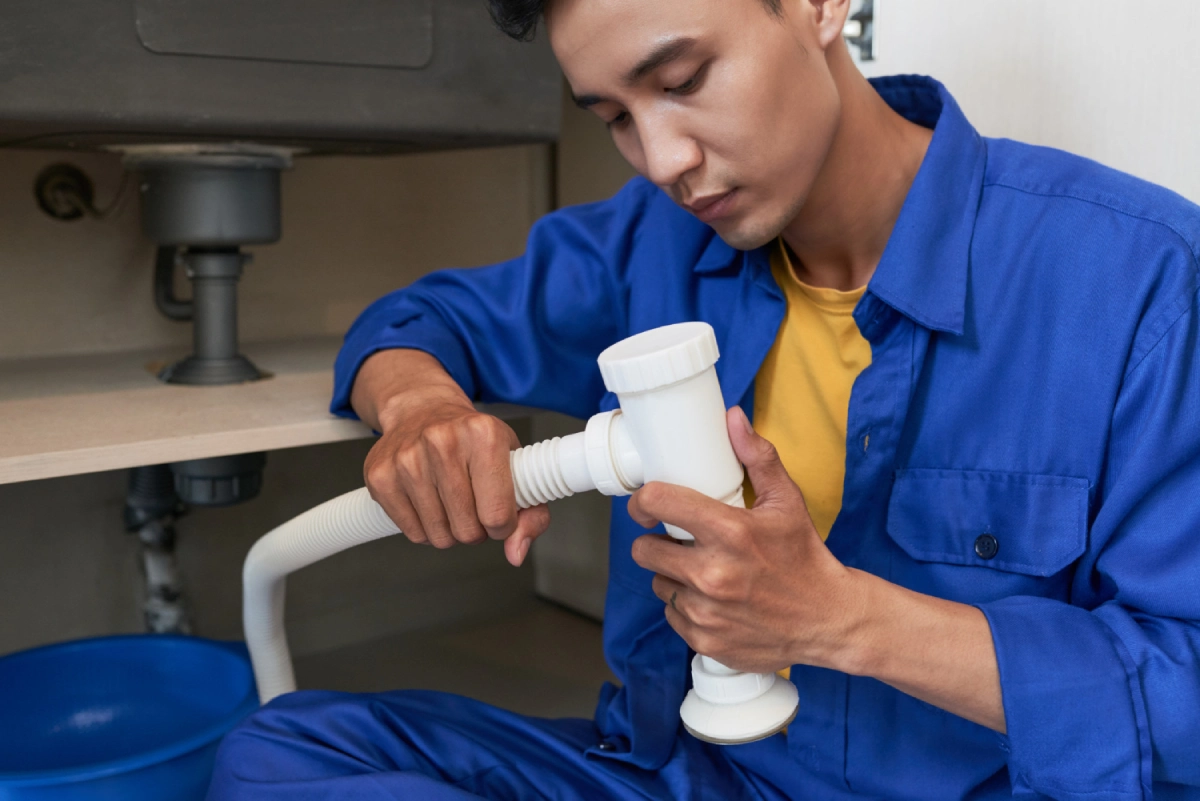
Sewer line blockages can lead to costly repairs, health risks, and unpleasant odors. Preventing these issues is easier than you think. Here’s what you need to know:
- Common causes: Grease, "flushable" wipes, tree roots, and aging pipes are the main culprits.
- Prevention tips:
- Never pour grease or oils down the drain.
- Only flush toilet paper, pee, and poop – avoid wipes and hygiene products.
- Install drain strainers to catch debris.
- Use enzyme-based cleaners monthly and flush drains with hot water weekly.
- Professional help: Schedule sewer line inspections every 2–3 years (or annually for older homes) to catch issues early. Tools like hydro-jetting and sewer cameras can address buildup and detect problems.
Taking these steps protects your plumbing, saves money, and avoids emergencies. For serious issues like persistent odors, slow drains, or water backups, call a plumber immediately.
Common Causes of Sewer Line Blockages
Dealing with sewer line blockages can be a headache for Charleston homeowners, but understanding the primary causes can help you prevent them. Three major culprits are responsible for most plumbing issues, and here’s a closer look at how they can impact your system.
Grease, Oils, and Food Waste
Kitchen waste is a leading cause of sewer line problems. Grease, in particular, is a sneaky offender. While it flows easily when hot, it cools down and solidifies into a sticky, stubborn mess.
"Fats, oils, and grease (collectively referred to as FOG) are liquid when hot, but become sticky solids when they cool down. A layer of solidified grease and fat can build up over time in the sewer line to the point it blocks it." – Reliance Plumbing Sewer & Drainage, Inc.
This sticky buildup traps other debris, narrowing the pipe and eventually causing blockages. Worse yet, when bacteria interact with this mess, it can lead to unpleasant odors and even mold growth.
Another common culprit? "Flushable" wipes. Despite their name, these wipes don’t break down like toilet paper. Instead, they clump together, creating major blockages, particularly around pipe bends and joints. In fact, plumbers have reported removing flushable wipes from drain lines stretching as long as 30 feet.
Other non-biodegradable items, like feminine hygiene products, Q-tips, dental floss, paper towels, and even medications, can also clog your pipes. Misusing garbage disposals by grinding fibrous or starchy foods only adds to the problem, creating thick deposits that obstruct water flow. Garbage disposals are best reserved for small scraps of biodegradable food waste.
But kitchen waste isn’t the only threat – external factors play a role too.
Tree Root Intrusion
Charleston’s beautiful greenery comes with a hidden downside: aggressive tree roots that can wreak havoc on sewer lines. Trees naturally seek out moisture and nutrients, and your sewer pipes provide both.
Roots don’t typically break through intact pipes but instead exploit weak spots like cracks, loose joints, or deteriorating materials. Older clay pipes and rotted cast iron pipes are especially vulnerable. Roots can also find their way in through connection points, such as lateral lines and cleanouts.
In areas with high water tables, tree roots are even more likely to target underground pipes as an alternative water source. Once inside, they thrive in the nutrient-rich environment, growing quickly and forming dense masses that block water flow and trap debris.
If left unchecked, these roots can crack pipes further, separate joints, and even cause pipes to collapse entirely. What starts as a minor intrusion can escalate into a major structural issue, requiring costly repairs. Regular maintenance can help catch these problems early.
But tree roots aren’t the only issue – aging infrastructure is another common problem.
Aging or Damaged Pipes
Older homes in Charleston are more likely to have aging sewer systems, which are prone to blockages. Pipes made from clay, cast iron, or early concrete materials naturally deteriorate over time, creating rough surfaces where debris can easily collect.
Clay pipes, commonly used in homes built before the 1980s, become porous and crack as they age, inviting root intrusion and soil debris. Cast iron pipes, on the other hand, corrode from the inside, making them rough and prone to clogs.
Shifting clay soils add another layer of stress, causing pipes to sag or develop bellies – low spots where waste and debris tend to settle. These bellies disrupt the natural flow of wastewater, turning even minor debris into persistent blockages that often require professional intervention.
Pipe bellies are particularly troublesome because they act as traps, allowing solids to accumulate over time. Without proper maintenance, these blockages can escalate into more severe plumbing issues. Regular inspections and upkeep can help prevent such problems from spiraling out of control.
How to Prevent Sewer Line Blockages
Keeping your Charleston home’s sewer line clear doesn’t have to be a headache. With a few practical steps and regular habits, you can avoid costly emergency repairs and save yourself thousands of dollars over time. It all starts with how you handle everyday kitchen and bathroom waste.
Proper Disposal Habits
The easiest way to prevent sewer line blockages begins right at home. Never pour grease, fats, or cooking oils down the drain. Even if you rinse with hot water, these substances can solidify and clog your pipes. Instead, let grease cool and harden, then scrape it into the trash. For liquid oils, pour them into a container and dispose of them with your regular garbage.
Coffee grounds are another common culprit. They clump together and form sludge, so toss them in the trash or add them to your compost pile instead.
Install drain strainers in your sinks, showers, and tubs to catch hair, food particles, and other debris before they enter your plumbing. These small, affordable screens can make a big difference. Just remember to clean them regularly – once a week is a good rule of thumb.
In the bathroom, stick to the "three P’s" rule: only pee, poop, and toilet paper should go down the toilet. Feminine hygiene products, cotton swabs, dental floss, and so-called "flushable" wipes should go in the trash. Even if something flushes easily, that doesn’t mean it’s safe for your pipes.
When it comes to food waste, avoid washing fibrous vegetables, starchy foods, or anything that swells when wet down the drain. These items can create sticky pastes that cling to pipe walls, leading to blockages over time.
Regular Cleaning and Maintenance
Routine upkeep can prevent small issues from turning into major problems. Flush your drains with hot water once a week to dissolve minor grease and soap scum buildup. Slowly pour boiling water down each drain to help keep things flowing smoothly.
For a deeper clean, try using enzyme-based cleaners or a simple baking soda and vinegar solution once a month. These methods break down organic matter naturally without harming your pipes. Pour the cleaner down the drain before bedtime, let it sit overnight, and flush with hot water in the morning.
Don’t forget about your outdoor drains and gutters. In Charleston’s humid climate, leaves, sediment, and other debris can quickly decompose and cause blockages in storm drains. Regularly clearing these areas can prevent water from backing up into your home.
Pay attention to your home’s water pressure and how quickly water drains from sinks, showers, and tubs. If multiple fixtures are draining slowly, it could signal a developing blockage in your main sewer line. Addressing this early can save you from more serious issues later.
Routine cleaning is essential, but professional inspections add an extra layer of protection.
Schedule Professional Inspections
While good habits and regular maintenance go a long way, professional inspections can catch problems that aren’t visible to the naked eye. Schedule a sewer line inspection every two to three years for homes with newer plumbing. If your home is over 20 years old or has older clay or cast iron pipes, consider annual inspections.
Professional plumbers use video cameras to examine the inside of your pipes, identifying issues like small cracks, root intrusion, or developing blockages before they turn into costly repairs. This proactive approach can save you from unexpected emergencies.
If your property has large trees – like Charleston’s iconic oaks, magnolias, or willows – schedule inspections more frequently. These trees have aggressive root systems that naturally seek out sewer lines for moisture, often causing damage.
During inspections, plumbers can also evaluate the overall condition of your pipes and recommend preventive treatments. For instance, they might suggest root treatments for pipes showing early signs of intrusion or pipe relining for aging systems.
Keep a maintenance log of all inspections and professional services. This helps track patterns and ensures you stay on top of regular care. Many plumbing companies offer maintenance plans that include scheduled inspections and priority service, which can be a smart option if you’re committed to keeping your sewer system in top shape.
Professional Tools and Technologies for Blockage Prevention
Modern plumbing technology has introduced advanced tools and techniques that go beyond basic solutions like drain snakes and chemical cleaners. These innovations not only help prevent blockages but also extend the life of your sewer system, reducing the likelihood of costly emergency repairs. When combined with regular maintenance habits, these professional tools provide an extra layer of protection for your pipes.
Hydro-Jetting for Thorough Cleaning
Hydro-jetting is a powerful method that uses high-pressure water streams to tackle stubborn clogs and buildup within pipes. Unlike traditional methods that may only partially clear blockages, hydro-jetting thoroughly cleans pipes by removing grease, soap scum, mineral deposits, and even invasive tree roots.
The process involves inserting a specialized nozzle into the sewer line, which sprays water at high pressure in all directions to dislodge debris and clean the pipe walls. Professionals carefully adjust the pressure to ensure the method is safe for older or more fragile pipes, making it an effective yet cautious approach.
Video Camera Inspections
Sewer camera inspections use high-definition, waterproof cameras attached to flexible cables to provide a detailed, real-time view inside your pipes. These cameras can travel through extensive sections of your sewer system, pinpointing the exact location and cause of any issues.
Equipped with LED lighting and rotational capabilities, these cameras can identify problems like cracks, joint separations, sagging pipes, or root intrusions. The live footage not only allows for precise, targeted repairs but also serves as valuable documentation for future reference. By clearly diagnosing the nature of blockages, camera inspections ensure the right solution is applied from the outset.
Eco-Friendly Maintenance Options
With growing environmental awareness, newer plumbing solutions focus on protecting both your sewer system and the surrounding ecosystem. These eco-friendly options avoid harsh chemicals while effectively preventing clogs.
- Enzyme-based treatments: These treatments use natural bacteria to break down grease, food particles, and hair over time, offering a safer alternative to chemical cleaners.
- Smart leak detection systems: These systems use sensors to monitor water pressure, flow, and moisture levels throughout your home. If they detect unusual activity, they send an alert to your smartphone. Some systems can even shut off the water supply automatically to prevent damage.
- Trenchless repairs: This method installs new pipe liners through existing access points, avoiding the need for disruptive digging and preserving landscaping.
These technologies work in harmony with routine cleaning and inspections to keep your sewer system in optimal condition. A typical preventive service might include a camera inspection to identify current issues, hydro-jetting to clear out buildup, and enzyme treatments to maintain cleanliness between visits. By integrating these tools into a regular maintenance plan, homeowners can extend the life of their sewer systems while minimizing environmental impact.
sbb-itb-998eb83
Common Mistakes to Avoid
When it comes to maintaining your sewer line, even small missteps can lead to big headaches. While you might have the best intentions, certain common errors can turn manageable issues into costly disasters. Knowing what not to do is just as critical as following proper maintenance practices.
Overusing Chemical Drain Cleaners
Chemical drain cleaners might seem like a quick fix, but they can wreak havoc on your pipes. These products typically contain harsh substances like sulfuric acid or sodium hydroxide. While they’re effective at breaking down clogs, they can also erode pipes and weaken joints, creating leaks over time. This is especially problematic for older homes with cast iron or clay pipes, as these materials are particularly vulnerable to corrosion.
The bigger issue? These cleaners only address surface-level blockages. They won’t solve deeper problems like tree root intrusion or existing pipe damage. So while you might get temporary relief, the underlying issues remain. Instead of relying on chemicals, consider mechanical methods like a plunger or a drain snake to clear clogs without risking pipe damage.
Ignoring Early Warning Signs
It’s easy to dismiss minor plumbing issues, but ignoring early signs of sewer trouble can lead to major problems down the road. Slow-draining sinks and tubs, for example, often indicate partial blockages that can quickly escalate into full-blown backups. Gurgling sounds from your drains or toilets could mean a clog is forming or that there’s a structural issue in your pipes. And if you notice foul odors coming from your drains, it might be a sign of a broken sewer line or compromised trap seals letting sewer gases escape.
More obvious signs, like water backing up in floor drains or soggy spots in your yard with a sewage smell, should never be overlooked. These issues demand immediate attention to prevent costly repairs. Trying to fix them yourself can often make the situation worse, so it’s best to consult a professional.
DIY Repairs on Complex Issues
The temptation to save money by tackling sewer repairs yourself can backfire in a big way. Sewer line work is complicated and comes with significant risks, making professional expertise essential.
"Sewer line repairs are complex; without expertise, you risk misdiagnosis and further damage."
- sewerlinesonly.com
DIY repairs often lead to misdiagnoses, exposing you to harmful sewage and potentially worsening the problem. For instance, that “simple” clog you’re trying to clear might actually involve tree root intrusion, a collapsed pipe, or a separated joint. Using the wrong tools or techniques can exacerbate these issues.
Professional plumbers not only have the experience but also the specialized tools – like sewer cameras, hydro-jetting equipment, and pipe locators – that are crucial for accurate diagnosis and effective repairs. Without these, DIY solutions are often incomplete and prone to failure.
"If the repair is done incorrectly, it’s possible that you could cause even more damage to your sewer system. This could lead to even more expensive repairs down the road."
- The Plumbing Doc
DIY efforts can also result in unintended property damage. Excavation for pipe replacement, for example, can harm utility lines or even compromise your home’s foundation. Improper backfilling can create long-term issues, and major repairs often require permits and inspections. Unlicensed work can lead to code violations and insurance complications, adding even more stress and expense.
For issues like severe blockages, significant pipe damage, or tree root intrusion, the risks of DIY repairs far outweigh the potential savings. A professional plumber ensures that the job is done correctly, keeping your sewer system intact and your home compliant with local regulations.
When to Call a Plumbing Professional
Knowing when to call in a professional can help you avoid costly damage and the risks associated with raw sewage exposure. Even with regular maintenance, certain plumbing issues demand expert attention – especially those involving sewer lines, which require specialized tools and expertise.
Signs That Require Immediate Attention
There are some clear warning signs that it’s time to call a plumbing professional. Here’s what to watch for:
- Multiple drains backing up at the same time: If your kitchen sink, bathroom drains, and floor drains all start acting up together, it’s likely a main sewer line issue rather than a simple clog in one spot. This usually points to a blockage or damage in the main line connecting your home to the municipal system.
- Persistent sewage odors: A lingering sewage smell in your home or yard – even when drains seem to be working fine – is a red flag. This could indicate a cracked sewer line or compromised trap seals, allowing harmful gases to escape and posing health risks.
- Water backing up in floor drains or your basement: If you notice water pooling in your basement or coming up through floor drains after using upstairs fixtures, this is another sign of trouble with the main sewer line. Wastewater is essentially reversing course, finding the easiest way back into your home.
- Soggy, foul-smelling spots in your yard: These often signal an underground pipe leak or break, where contaminated water is seeping into the soil around your home’s foundation.
- Gurgling sounds from multiple fixtures: Unusual noises, like gurgling from toilets or drains, can indicate a partial blockage in the sewer line. While it might seem minor, it can quickly escalate into a complete backup if ignored.
The numbers behind sewer problems are concerning. Sewer backups are increasing by 3% to 5% annually due to aging infrastructure, with most sewer systems in the U.S. being around 50 years old. On top of that, mold can start forming within just 48 hours of a sewer backup, adding another layer of risk.
When these issues arise, quick action is essential. Let’s explore how ALL Plumbing Services steps in during emergencies and prevents future problems.
ALL Plumbing Services‘ Emergency and Preventive Services
ALL Plumbing Services knows that plumbing emergencies, especially sewer line issues, rarely happen at convenient times. That’s why they offer 24/7 emergency services to Charleston residents, ensuring help is just a call away when sewage backups or major pipe damage occur.
For emergencies, their team arrives equipped with advanced diagnostic tools and cleaning systems to quickly address blockages and remove contaminated water. On average, professional sewer line cleaning costs between $150 and $800, while clearing tree roots ranges from $300 to $600.
But they don’t just stop at emergency fixes. ALL Plumbing Services also provides comprehensive preventive maintenance plans to identify and address potential problems before they spiral out of control. These plans include regular inspections to catch issues like tree root intrusion, pipe cracks, blockages, and misalignments early on. For older homes or properties with mature trees, scheduling inspections every year or two can save homeowners from unexpected and expensive repairs.
For homes with a history of root intrusion, they recommend root cutting services every 1–3 years to avoid recurring blockages. And when repairs or replacements are needed, they use trenchless methods like pipe relining and pipe bursting. These techniques are less invasive, faster, and often more budget-friendly than traditional excavation. They also install backwater valves to prevent municipal sewage from backing up into homes during heavy rain or city sewer issues.
Additionally, their leak detection services use smart systems to locate problems without unnecessary digging. Their expertise extends to water filtration systems, ensuring your household water remains clean and safe, even when minor issues with the municipal supply arise.
For Charleston homeowners, ALL Plumbing Services offers a complete solution. Whether it’s an emergency repair or a preventive maintenance plan, their local knowledge and understanding of Charleston’s aging infrastructure allow them to provide tailored solutions to protect your home and family. From quick fixes to long-term peace of mind, they’ve got you covered.
Conclusion: Protect Your Home with Regular Sewer Line Care
Taking care of your sewer lines is more than just a good habit – it’s a smart way to safeguard your home, health, and wallet. Repairs for damaged sewer pipes can climb as high as $300 per foot, and a complete replacement might set you back anywhere from $2,500 to over $30,000. In contrast, routine maintenance is significantly more affordable, typically costing only $100–$500.
By scheduling regular inspections, you can catch small problems early, extending the life of your plumbing system and helping maintain your property’s value. Simple daily habits, like disposing of waste properly and using drain strainers, work hand in hand with professional care to keep your sewer lines running smoothly. Modern tools like video camera inspections and hydro-jetting add another layer of protection, tackling potential issues before they become costly disasters.
Failing to maintain your sewer lines can lead to serious health hazards. Bacteria growth and mold caused by untreated sewer problems can put your family at risk, making prevention a top priority. With Charleston’s aging infrastructure and the growing frequency of sewer-related issues across the country, proactive care is more critical than ever.
For homeowners in Charleston, ALL Plumbing Services offers the expertise and tools necessary to keep your sewer system in top shape. From routine maintenance plans to emergency services and cutting-edge diagnostics, they combine local know-how with advanced technology to protect your home.
Don’t wait for warning signs like sewage odors or multiple drain clogs to take action. Reach out to ALL Plumbing Services today to schedule an inspection. Investing in your sewer line’s health now can save you from costly repairs down the road – and your future self will thank you.
FAQs
What are the warning signs of a blocked sewer line, and how soon should I take action?
Blocked sewer lines often give themselves away through a few telltale signs. These include slow-draining sinks or tubs, gurgling noises coming from your toilet, unpleasant sewage smells inside or around your home, dark or murky water backing up, and multiple plumbing fixtures clogging at the same time. Spotting any of these issues? It’s time to act fast.
Delaying action can turn a minor inconvenience into a major headache. Left unchecked, a blocked sewer line can lead to pipe damage, flooding, or expensive repairs. Addressing the issue early can save you from unnecessary stress and high costs. If you’re uncertain about the severity of the problem, don’t hesitate to call in a professional plumber for an inspection and quick resolution.
How do tree roots get into sewer lines, and how can you prevent it?
Tree roots have a knack for finding their way into sewer lines, drawn by the moisture and nutrients inside. They typically sneak in through tiny cracks, joints, or gaps in the pipes and can grow over time, leading to blockages or even severe damage.
Here are some ways to keep those roots at bay:
- Install root barriers: Materials like plastic, metal, or stone can create a physical shield to stop roots from reaching your sewer lines.
- Keep trees at a safe distance: If trees are planted too close to underground pipes, consider trimming their roots or removing them entirely.
- Apply chemical root inhibitors: Substances like copper sulfate can help discourage roots from growing near your pipes.
- Schedule regular inspections: Routine sewer line checks and maintenance can help spot and address problems before they escalate.
These proactive measures can save your sewer system from trouble and spare you from expensive repair bills.
What are the benefits of using professional tools like hydro-jetting and video camera inspections instead of DIY methods for sewer line maintenance?
Using specialized tools like hydro-jetting and video camera inspections brings clear advantages compared to traditional DIY approaches. With video camera inspections, you get real-time visuals of your sewer line, making it easier to pinpoint problems like cracks, blockages, or tree root invasions. This accuracy eliminates the need for guesswork, allowing for precise and efficient repairs.
Hydro-jetting, often used alongside these inspections, employs high-pressure water to clear out tough clogs and debris. Unlike chemical or manual methods, it’s a safer and more thorough option that helps prevent recurring issues. These professional techniques not only save time and reduce the risk of property damage but also ensure your sewer lines stay in top shape.