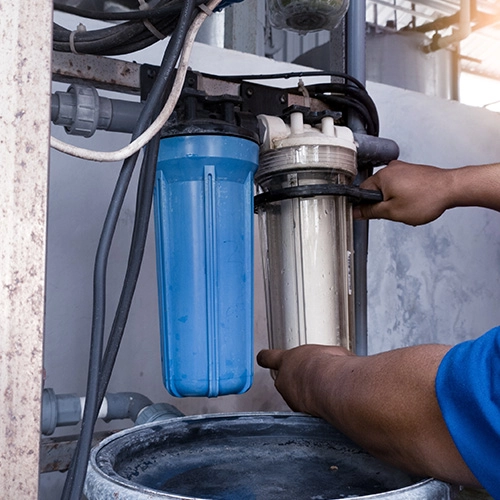
Your water heater is essential for daily tasks like showers and laundry. But in James Island, SC, the humid air, salt exposure, and mineral-heavy water can wear down water heaters faster. Ignoring early warning signs could lead to costly repairs or complete failure. Here’s what to watch for:
- No hot water: Persistent issues may signal internal failure.
- Strange noises: Banging or popping sounds often mean sediment buildup.
- Leaks or moisture: Pooling water could indicate corrosion or faulty parts.
- Rusty or smelly water: Cloudy or bad-smelling water is a red flag.
- Age: Units older than 8–12 years are prone to failure.
In Charleston’s climate, regular maintenance is key. If repairs are frequent or costs approach 50% of a new unit, replacement is often the smarter choice. Modern water heaters, including tankless options, offer better efficiency and reliability. Don’t wait for a breakdown – address issues early to save money and avoid disruptions.
Signs You Need to Replace Your Water Heater
Spotting the early signs of a failing water heater can save you from unexpected cold showers and costly repairs. Staying alert to these warning signals gives you the chance to replace your unit before it causes more serious problems.
No Hot Water
If your water heater occasionally loses heat, a quick reset or relighting the pilot light might solve the issue. But if the problem persists, it’s often a sign of internal failure that requires attention.
Strange Noises from Your Water Heater
Water heaters are typically quiet during operation. So, if you hear banging, popping, or rumbling sounds, it’s likely due to sediment buildup inside the tank. Over time, this sediment can create hot spots, making the unit work harder than it should. Left unchecked, this strain can lead to significant internal damage.
Water Leaks or Moisture Around the Unit
Finding water around your heater – beyond the usual condensation – could mean there’s a leak. This might stem from loose pipe connections, a faulty temperature relief valve, or even corrosion in the tank. If water continues to pool, it’s a strong indicator that your tank may be deteriorating.
Rusty or Bad-Smelling Water
Cloudy, rusty water or a rotten egg smell coming from your taps is a red flag. These issues often point to internal corrosion or bacterial growth in the tank. While routine maintenance might temporarily resolve minor problems, ongoing discoloration or metallic-tasting water usually signals it’s time for a replacement.
Water Heater Age
Even the best water heaters don’t last forever. Most units have a lifespan of 8 to 12 years, but in areas like James Island, where high mineral content and humidity are common, this timeframe can be even shorter. If your water heater is over 10 years old, it’s wise to start planning for a new one.
Knowing these signs can help you decide whether to repair or replace your water heater before bigger issues arise.
How Charleston’s Climate and Water Quality Affect Water Heater Lifespan
The coastal environment of James Island can take a toll on water heaters. Factors like high humidity, salt-laden air, and mineral-rich water contribute to wear and tear, often shortening the lifespan of these appliances. Let’s explore how these elements impact water heaters in the area.
High Humidity and Rust Issues
Charleston’s consistently high humidity creates a perfect setting for corrosion. Moisture in the air can infiltrate spaces where water heaters are installed, leading to rust. This problem is amplified by the salt air from the nearby Atlantic Ocean, which accelerates the corrosion of metal parts like the tank exterior, pipes, and fittings – especially in poorly ventilated areas.
For gas water heaters, high humidity can lead to condensation in the vents and issues like backdrafting, while electric models may suffer from corroded connections or malfunctioning controls. On top of this, mineral-laden water further diminishes the efficiency of your unit, making it work harder over time.
Hard Water and Sediment Accumulation
Many homes on James Island deal with hard water, which is rich in minerals like calcium and magnesium. When hard water is heated, these minerals can settle at the bottom of the tank, forming a layer of sediment. This buildup reduces the heater’s efficiency, forces the unit to work harder to maintain the desired temperature, and increases energy consumption. For electric water heaters, sediment can coat the heating elements, reducing their effectiveness and lifespan.
Gas water heaters face their own challenges, as sediment buildup can lead to uneven heating and even premature tank failure. Additionally, mineral deposits can clog pipes and valves, restricting water flow and interfering with pressure relief mechanisms.
Tankless water heaters, while more compact, are not immune to hard water problems. Their narrow heat exchanger passages are particularly prone to blockages caused by mineral deposits. Without regular cleaning and descaling, these units can experience reduced performance and efficiency.
How Long Water Heaters Last in Charleston
Under ideal conditions, water heaters typically last about a decade. However, Charleston’s climate and water quality can shorten this timeline, especially if maintenance is neglected. Tank water heaters are particularly vulnerable, while tankless models can last longer with proper care.
Routine maintenance is key to maximizing the lifespan of your water heater. Tasks like flushing the tank, replacing the anode rod, and professional servicing can help your unit perform at its best. Neglecting these steps, on the other hand, can lead to early failure and the need for an unexpected replacement. By understanding these local challenges, you can make better decisions about whether to repair or replace your water heater.
When to Repair vs. Replace: Making the Right Decision
Deciding whether to repair or replace your water heater in Charleston’s challenging climate can feel overwhelming. The best choice depends on factors like the age of your unit, the severity of the issue, and the long-term costs. Here’s a straightforward guide to help you figure out the best course of action.
When Repair Makes Sense
If your water heater is less than 8 years old and dealing with minor issues, repair is often the smarter option. Problems like a faulty thermostat, worn-out heating elements, or small leaks caused by loose connections are usually inexpensive to fix and can give your unit several more years of life.
For units under 5 years old, especially those still under warranty, repairs are typically more cost-effective than replacement. Even without a warranty, younger units are better candidates for repair – provided the tank itself is still intact.
Certain isolated problems, like a malfunctioning pressure relief valve or sediment buildup that can be flushed out, don’t require replacing the entire system. Similarly, gas water heaters with issues like a faulty gas control valve can often be repaired without much hassle. Regular maintenance combined with targeted repairs can significantly extend the life of your water heater.
Now, let’s look at when it’s time to move on to a replacement.
When Replacement is Necessary
Age is a key factor in deciding to replace your water heater. Once your unit hits the 10-12 year mark, it’s often more practical to replace it, especially in Charleston’s humid, salt-air environment. Over time, the combination of these conditions and mineral-rich water makes repairs more frequent and costly.
Visible tank damage is another clear sign. If you notice rust-colored water, significant leaks, or corrosion on the tank’s exterior, it’s time for a replacement. Tank failures can lead to serious water damage, making immediate action essential.
Frequent repairs are another red flag. If you’ve had to call for service three or more times in the last two years, or if repair costs are nearing 50% of what a new unit would cost, replacement is the better financial decision. Multiple breakdowns often indicate that various components are failing at once.
Energy efficiency is also worth considering. Older water heaters tend to use far more energy than newer models. If your utility bills are creeping up or your unit struggles to maintain consistent temperatures, upgrading to a high-efficiency model can save you money in the long run.
Repair vs. Replacement Cost Comparison
To make the decision clearer, here’s a comparison of repair and replacement costs and benefits:
| Factor | Repair | Replacement |
|---|---|---|
| Upfront Cost | $150-$800 for most repairs | $1,200-$3,500 for standard units |
| Timeline | Same day to 2 days | 1-3 days for installation |
| Warranty | 90 days to 1 year on parts | 6-12 years on tank, 1-3 years on parts |
| Energy Efficiency | No improvement | 15-25% better efficiency |
| Reliability | Temporary fix, other issues likely | Long-term solution |
| Lifespan Extension | 1-3 years | 10-15 years with proper maintenance |
A helpful rule of thumb is the 50% rule: if the cost of repairs is more than half the price of a new unit, replacement is the better option. For example, if fixing a $2,000 water heater costs over $1,000, replacing it makes more sense.
While replacing your water heater comes with a higher upfront cost, it often provides better long-term value. Modern models are more energy-efficient, reliable, and may include advanced features like smart controls or improved insulation. They’re also designed to handle the local water and climate conditions more effectively.
In emergencies, you may need a temporary repair to restore hot water quickly, but this should only be a short-term fix while you plan for a replacement.
Given the unique conditions in areas like James Island, carefully weigh these factors to ensure your home has reliable hot water. The right decision ultimately depends on balancing upfront costs with long-term benefits, while keeping your household’s needs in mind.
sbb-itb-998eb83
Professional Water Heater Solutions from ALL Plumbing Services
When it’s time to replace your water heater, the service you choose can make all the difference. With decades of experience, ALL Plumbing Services has been the go-to provider for James Island homeowners since 1987. They bring deep local knowledge to every job, tackling coastal challenges like salt air corrosion and mineral buildup with ease. Whether you need an installation, upgrade, or maintenance, their team delivers solutions tailored to the unique needs of the area.
"At ALL Plumbing, our crew can service all aspects of your plumbing system, including your water heater, water and drain lines, and everything in between." – ALL Plumbing Services
Their expertise ensures that your replacement water heater is correctly sized and installed to perform optimally in James Island’s environment.
Water Heater Installation and Maintenance
ALL Plumbing Services handles the installation of both traditional tank and tankless water heaters from start to finish. They’ll remove your old unit, connect gas lines and electrical components, and ensure your new system is vented properly.
For those considering tankless water heaters, they specialize in installing Rinnai models. These systems are particularly suited for humid climates, as they resist corrosion better than traditional tanks.
"Tankless water heaters are a popular, energy-efficient choice that are less susceptible to corrosion. We’ll recommend the best model based on your home’s size and needs." – ALL Plumbing Services
Their approach is all about personalization. Whether you need a compact unit for a beach cottage or a high-capacity system for a larger family home, they’ll recommend the right model based on your household’s size and water usage patterns. Gas water heater installations are handled with extra care to ensure safety and compliance with local codes, including proper ventilation and secure gas line connections – critical considerations for coastal homes.
Energy-Efficient and Smart Water Heater Options
ALL Plumbing Services keeps pace with advancements in water heater technology, offering systems that provide better energy efficiency and modern conveniences than older models.
"We partner with leading manufacturers to supply top products to our community, including tankless water heaters and Flow Tech water filtration systems." – ALL Plumbing Services
Smart water heaters with Wi-Fi connectivity allow you to monitor and control your system remotely – an excellent feature for homeowners with vacation properties or those looking to track energy usage. Energy-efficient models also come with enhanced insulation, precise temperature controls, and advanced heating elements that minimize standby heat loss. In Charleston’s humid climate, where water heaters often work harder, these upgrades can lead to noticeable savings on utility bills.
"Our plumbers attend specialized training to learn how to install these systems and more." – ALL Plumbing Services
Their technicians are trained to install and configure advanced features like smart controls, hybrid heat pump systems, and high-efficiency condensing units, ensuring peak performance in local conditions.
Maintenance Plans for Water Heaters
Preventive maintenance is especially important in James Island’s challenging environment. ALL Plumbing Services offers comprehensive maintenance plans that help protect your investment and keep your water heater running smoothly. Regular inspections and servicing can extend your system’s lifespan and prevent unexpected breakdowns.
Their maintenance plans include annual services like flushing sediment buildup, checking anode rods, testing safety valves, and inspecting connections. This is particularly beneficial in areas like Charleston, where hard water can accelerate wear and tear.
"ALL Plumbing Services offers comprehensive maintenance services designed to prevent plumbing failures and extend the life of installations." – ALL Plumbing Services
Plan members also enjoy priority scheduling, which ensures quicker service during busy seasons when water heater demand is high. Plus, discounted repairs help keep maintenance costs manageable.
Conclusion: Keeping Hot Water Reliable in Your James Island Home
Spotting the early signs of water heater trouble can save you from unexpected expenses and the dreaded cold shower. Whether it’s fluctuating water temperatures, unusual noises, visible leaks, or an aging unit nearing the 10–12-year mark, these red flags shouldn’t be ignored. James Island’s coastal environment – with its high humidity, salt air, and hard water – can speed up the wear and tear on your water heater, making regular maintenance even more critical.
Staying ahead of problems starts with proactive care. Simple steps like flushing out sediment buildup and inspecting components can extend your water heater’s lifespan. As BHG points out,
"With regular maintenance, the number of repairs should be minimal."
"Monitor these signs and act swiftly to prevent breakdowns, cut repair costs, and secure reliable hot water."
- Chisholm Plumbing, Heating & Air Conditioning
If repairs start piling up or issues become frequent, replacing your system might be the smarter choice. Modern options like tankless systems and smart water heaters not only perform better but can also lower your energy bills – an important consideration in Charleston’s challenging climate.
Don’t wait for a complete failure to take action. Addressing water heater problems early can prevent costly water damage, reduce energy waste, and ensure your family’s comfort year-round. By working with experienced local plumbers for a professional assessment and installation, you can confidently decide whether to repair or replace your system, keeping your James Island home supplied with dependable hot water.
FAQs
How does the climate in James Island, SC, affect the lifespan of water heaters, and what can I do to protect mine?
The warm and humid climate of James Island, SC, paired with the area’s water quality, can take a toll on your water heater. Hard water, a common issue in the region, often leads to mineral buildup inside the tank. This buildup can reduce efficiency and accelerate wear and tear. On top of that, the frequent use of hot water in such a climate adds extra strain to the system.
To keep your water heater running smoothly and extend its lifespan, regular maintenance is key. Make it a habit to flush the tank once a year to clear out sediment buildup. If hard water is a concern, installing a water softener can help minimize mineral deposits. Scheduling routine inspections with a professional is another smart move, as it allows you to catch and address potential issues early, ensuring your water heater stays efficient for the long haul.
What are the benefits of upgrading to a tankless water heater in a coastal area like James Island, SC?
Upgrading to a tankless water heater in James Island, SC, comes with plenty of perks, especially in a coastal setting. These systems deliver hot water on demand, ensuring you’ll never face the frustration of running out, even during high-demand times. Plus, they’re designed to be more energy-efficient than traditional water heaters, as they only heat water as needed. This can translate to noticeable savings on your utility bills.
Living in a humid coastal area like James Island also brings another advantage: tankless units are less susceptible to rust and corrosion since they don’t rely on a tank to store water. They’re compact, saving valuable space, and tend to last longer, making them a smart choice for the long haul. If you’re aiming for reliable hot water, lower energy costs, and a space-saving design, a tankless water heater might be just what your home needs.
What maintenance steps can I take to make my water heater last longer in James Island, SC’s humid climate and hard water conditions?
To help your water heater last longer in James Island, SC – a place where humidity and hard water can take their toll – try these straightforward maintenance tips:
- Flush the tank annually: This clears out sediment that can harm efficiency and contribute to corrosion over time.
- Inspect the pressure relief valve regularly: Make sure it’s functioning properly to maintain safety and prevent pressure-related issues.
- Replace the anode rod every 3–5 years: This small but vital component helps prevent rust and corrosion, especially in areas with hard water.
These simple steps can boost your water heater’s efficiency and add years to its service life. For extra reassurance, think about scheduling professional inspections now and then to spot potential problems before they escalate.