You snake the shower drain and breathe easier until the guest bath gurgles two weeks later. You blame holiday guests, then laundry day, then random luck. Eventually you notice odor near a hallway register or paint that bubbles along a wet wall you hoped was humidity.
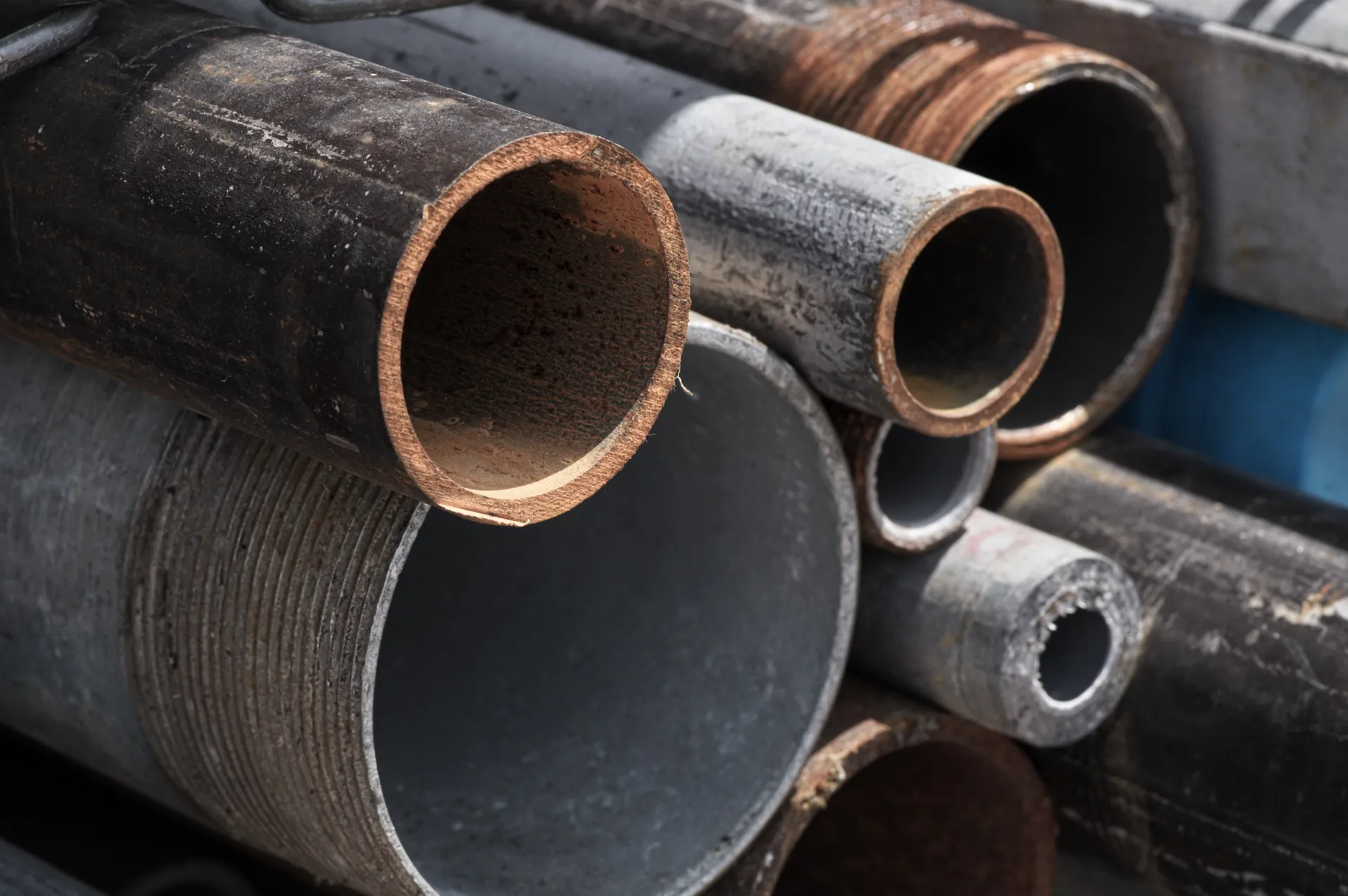
Older Beaufort homes built when cast iron drains were standard often cruise along fine until age, coastal moisture, and decades of daily loading converge. What feels like “another clog” becomes a pattern because iron corrodes from the inside long before the exterior looks dramatic. Rough walls snag solids, effective diameter shrinks, joints weaken, and crawlspace exposure accelerates exterior corrosion on top of interior scaling. Layer in generations of galvanized supplies or patchwork PVC transitions and you inherit what crews diplomatically call legacy spaghetti.
ALL Plumbing exists to answer one homeowner question without theater: does this house still make sense for spot repairs, or is staged replacement the calmer investment before finishes pay the price? Call 843-761-8002 or reach out online when symptoms stack instead of resolving.
When ordinary drain slowdown crosses into structural territory
Single slow tubs happen. Structural conversations start when multiple fixtures lose energy together, snaking relief evaporates within weeks, sewer odor persists despite attentive trap filling, moisture stains travel along baseboards, flooring softens near wet walls, or rust-tinted residue appears near drains without an obvious exterior cause.
Those clusters justify camera sewer inspection because guessing wastes money. Video clarifies whether you chase one localized defect or widespread wall loss that cabling cannot cure.
What honest camera work usually reveals on aging Lowcountry systems
Expect clarity rather than cheerleading. Heavy internal scaling and channeling narrow pathways until paper and grease snag relentlessly. Offset joints appear where old hubs meet retrofitted fittings. Cracks cluster near stress points or subtle settlement. Pitch loss holds standing water that accelerates biological odor. Exterior sections sometimes show root tension or soil movement stress. Prior patches finally surrender after years of band-aid economics.
Those images anchor estimates so homeowners stop paying emergency invoices that repeat without changing outcomes.
Insurance conversations vary widely by carrier language and proximate cause narratives. We deliver documentation homeowners can forward without translating plumber shorthand into adjuster vocabulary on their own.
Spot repair still earns its place on the right homes
We do not default to whole-home repipes because inventory demands it. When damage isolates cleanly, surrounding pipe walls retain integrity, access stays rational, and failure history stays short, surgical repair still buys years of calm with proportional disruption.
When phased or full repipe planning wins the conversation
Patterns shift toward replacement planning when camera tours show multiple branches thinning or fracturing, emergency frequency climbs for “the same vague drain issue,” renovation schedules already open walls or floors, or cumulative cabling invoices approach capital that permanently upgrades materials.
Lifecycle math beats sticker shock. Compare five years of reactive visits plus ruined finishes against one coordinated scope with predictable downtime.
How we structure projects so homeowners stay oriented
Repiping deserves project discipline rather than improvisation. We begin by mapping failures against remaining risk zones so scope conversations reference evidence instead of fear. Fixture counts and branch loads inform sizing conversations rather than guesswork. Material selections align with adopted South Carolina code and how your house actually frames pipe pathways.
Sequencing respects occupancy: whenever layout allows, we phase zones so kitchens or at least one bath stay functional overnight. Permits and inspections ride inside the plan instead of surprising you mid-demolition. Final verification confirms drainage performance before we declare victory.
You deserve to know which walls open before sawdust flies.
Materials homeowners hear about during Beaufort upgrades
Modern drain, waste, and vent systems commonly migrate toward PVC or ABS sized correctly for today’s fixture loads. Supply modernization toward PEX or copper frequently pairs with drain work because opening walls once beats reopening them twice. Accessible cleanouts replace mystery stacks buried behind shelving. Strategic shutoffs replace the scattered chaos that makes midnight emergencies worse than they need to be.
Strategy follows structure. Showroom brochures never trump how your chase paths and crawlspaces actually behave.
Living through work inside an occupied house
Repipe dread is legitimate and manageable. Phasing room clusters prevents whole-house demolition surprises. Floor protection and cabinet coverage happen before blades engage. Drywall patch timelines align so you are not staring at raw openings through holiday calendars. Daily communication explains what tomorrow expects so kids, pets, and remote work schedules survive intact.
Older Beaufort cottages reward crews who respect plaster, heart pine trim, and irrational chase geometry.
Elevation and flood-adjacent grading occasionally accelerate exterior sewer strain compared with inland peers on similar vintage homes. Camera tours clarify whether distress concentrates outside slab edges or travels indoors through branch hubs.
Related reading and Beaufort coverage
Compare timelines with historic home repiping context from Moncks Corner, explore Beaufort plumbing service coverage, and browse general plumbing services when coordinating broader upgrades.
Questions about cast iron in your Beaufort home? 843-761-8002 or contact ALL Plumbing online.
Frequently asked questions
Should supply lines upgrade while drains are open?
Often yes when galvanized or corroded supplies lurk behind the same wall access.
Will hydro-jetting fix deteriorated cast iron?
Jetting can restore temporary flow but cannot rebuild pipe walls.
Does homeowners insurance help?
Coverage depends on policy language and cause of loss. We document scope clearly for carrier conversations.
How long should repipe timelines expect?
Footprint and restoration coordination drive duration. Phased milestones arrive before demolition begins.
Can exterior sewer segments replace alone?
Yes when camera isolates exterior failure while interior lines remain serviceable.
Do older homes always require full replacement?
No. Diagnostics decide rather than assumptions.
Is camera inspection necessary before quoting major work?
Strongly recommended so pricing matches reality and change orders shrink.
How should homeowners prepare spaces?
Clear closets adjacent to wet walls, relocate valuables from work lanes, and communicate which fixtures matter most for daily living.